Have you ever ever caught your toddler joyfully hanging the wrong way up, laughing with delight? It’s a sight that may depart any mum or dad puzzled but amused. Why does my baby all the time cling the wrong way up? This playful conduct isn’t simply random; it’s a part of their exploration and growth. From the joy of seeing the world in a brand new option to the bodily advantages for his or her creating our bodies, this quirky behavior has extra to it than you would possibly assume.
Let’s dive into why infants love flipping over and what makes this seemingly foolish act important for his or her progress and sensory experiences.
Why does my baby all the time cling the wrong way up?
It’s not unusual to see your toddler hanging the wrong way up. This playful act is usually pushed by curiosity and exploration. Infants are naturally inclined to check their boundaries, and flipping over could really feel like an thrilling journey.
After they cling the wrong way up,
- They expertise a rush of recent views.
- The world seems completely different from this angle, which may be intriguing for tiny explorers.
- This place additionally stimulates the vestibular system, aiding in stability and coordination growth.
- It helps them perceive their physique in relation to gravity.
- You would possibly discover that it brings pleasure; laughter is frequent after they’re flipped round! Their giggles mirror pure delight as they uncover how enjoyable being inverted may be.
So subsequent time you catch your baby having fun with this exercise, keep in mind: it’s a part of their developmental journey full of marvel and pleasure.

Attainable Explanations for Why Infants Take pleasure in Hanging Upside Down
Infants are naturally curious creatures. Their world is full of new sights and sensations, a lot of that are finest skilled from completely different angles.
The place stimulates the vestibular system, essential for stability and coordination. This playful inversion may be exhilarating as infants uncover their very own motion talents whereas gaining confidence in how their our bodies work.
Moreover, some infants have an instinctual drive to discover sensory experiences. Upside-down play may be comforting and even enjoyable for little ones who benefit from the feeling of being suspended in house.
It’s additionally value noting that this conduct typically comes from pure pleasure. The laughter and giggles throughout these moments reveal simply how a lot delight infants derive from turning issues on their head—actually!
1. The Vestibular System & Sensory Play
When a child hangs the wrong way up, their vestibular system, the a part of the interior ear answerable for stability and spatial orientation, will get a exercise.
Dr. Jane Smith, pediatric occupational therapist, explains:
“Inverting their physique helps youngsters develop proprioception (physique consciousness) and calms their nervous system. It’s like a pure sensory remedy!”
This explains why toddlers love toddler doing downward canine or sitting the wrong way up on sofa. Even newborns profit: whereas do newborns see the wrong way up? (sure, initially!), their imaginative and prescient adjusts inside weeks, however the vestibular stimulation stays a supply of pleasure.
2. Developmental Milestones & Curiosity
Ever seen your child wanting between their legs? This quirky transfer helps them perceive their physique’s place in house. Hanging the wrong way up additionally boosts confidence as they conquer gravity, consider it as their first “excessive sport”!
Is Hanging Upside Down a Regular Habits?
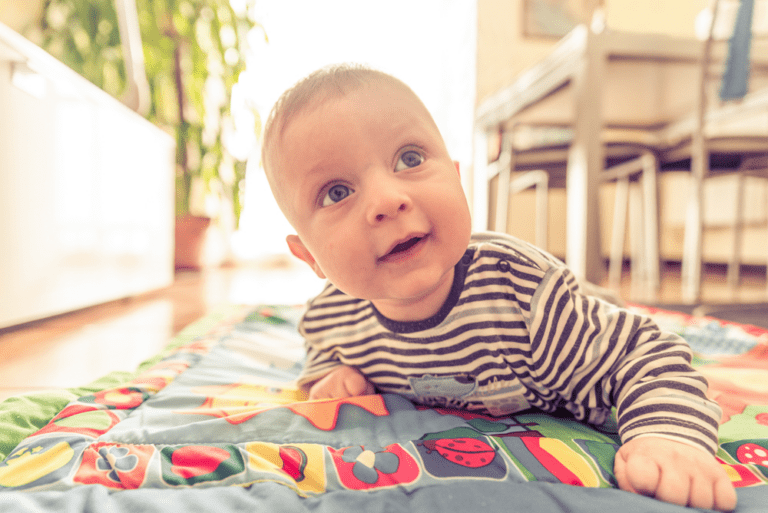
Many mother and father marvel, “Is it dangerous for infants to look the wrong way up?” The excellent news is {that a} child hanging the wrong way up is nothing to fret about. It’s frequent for kids to experiment with completely different bodily positions as they develop and study extra about their physique’s capabilities.
Many mother and father discover their infants partaking in seemingly uncommon behaviors which might be a part of common play. So long as the infant is having fun with the exercise and never inflicting any hurt, it’s seen as a standard stage of their bodily and sensory exploration.
Nonetheless, toddler upside-down actions, like playful hanging, ought to by no means be extended or executed in a dangerous atmosphere.
Hanging Upside Down and Autism: Is There a Connection?
Dad and mom could ask whether or not hanging the wrong way up is an indication of autism. The reply is {that a} child hanging the wrong way up alone shouldn’t be a sign of autism.
Autism spectrum disorder (ASD) is a developmental dysfunction that may have an effect on communication, conduct, and social interactions. Kids with autism exhibit distinctive and repetitive behaviors. Nonetheless, in relation to a child liking to hold the wrong way up, this conduct is usually not thought-about a definitive signal of autism.

Nearer statement could also be required if this motion is coupled with different particular behavioral markers. Indicators of autism normally contain:
1. Lack of social interplay
Infants with autism could not have interaction with others in typical methods. As an example, they might not make eye contact, smile in response to others, or present curiosity in social video games like peek-a-boo.
2. Repetitive behaviors
Whereas hanging the wrong way up might be a enjoyable and spontaneous act for a lot of infants, if a toddler constantly engages on this motion rigidly or repetitively, it may point out ASD. Repetitive physique actions, resembling flapping palms or rocking, are sometimes linked to autism.
3. Sensory Sensitivity
Infants with autism may need heightened sensitivity to sensory enter, and a few could hunt down intense sensory stimulation, resembling spinning, bouncing, and even hanging the wrong way up continuously, to self-regulate their sensory expertise.
4. Delayed language and communication expertise
A child who enjoys hanging the wrong way up however can be experiencing vital delays in babbling, cooing, or different types of communication would possibly exhibit indicators of ASD.
Advantages of Hanging Upside Down for Infants
Hanging the wrong way up can assist childs growth. This playful place stimulates their vestibular system, which performs a necessary function in stability and spatial consciousness.As they cling the wrong way up, infants have interaction core muscular tissues, selling energy and coordination. The mild inversion encourages blood stream to the top, which will help with cognitive operate and application.
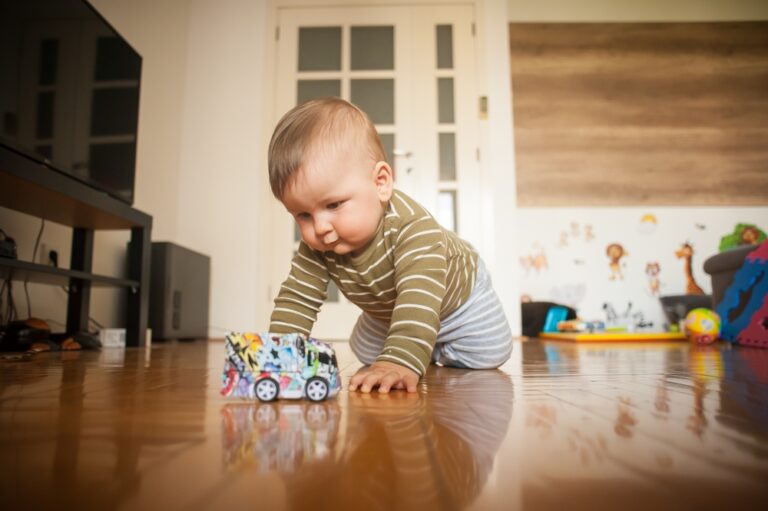
- See the world from new perspective
- observing the world whereas inverted permits them to discover shapes and colours in another way
- Improves stability and coordination
- Enhances spatial consciousness
- Strengthens core and neck muscular tissues
- Boosts blood circulation
- Offers sensory enter for kids with autism and sensory processing points
Many infants benefit from the thrill of being in such an uncommon posture. It typically elicits laughter and pleasure as they work together with mother and father or caregivers throughout playtime. This connection fosters emotional bonds whereas encouraging bodily exploration by means of motion.
Frequent Considerations and How one can Deal with Them
Many mother and father fear after they see their child hanging the wrong way up. Security is a major concern. Guarantee your toddler has a mushy floor beneath them, like a play mat or carpet. This makes any unintentional falls much less scary.
Different mother and father would possibly marvel if this conduct indicators one thing extra critical, resembling autism. It’s vital to do not forget that having fun with inverted positions is frequent for a lot of infants and doesn’t essentially point out developmental points.
In case your baby appears overly fixated on being the wrong way up, it might mirror their sensory-seeking nature. Offering alternatives for numerous sorts of motion will help stability their want for stimulation with out overwhelming them.
Some infants would possibly expertise discomfort whereas hanging the wrong way up resulting from reflux or fuel stress. In case you discover indicators of misery throughout these moments, seek the advice of along with your pediatrician for tailor-made recommendation and reassurance about your child’s well being and wellbeing.
How Lengthy Can You Be Upside Down With out Any Hurt?
Whereas hanging the wrong way up is enjoyable, moderation is essential. How lengthy are you able to safely cling the wrong way up? Specialists advocate:
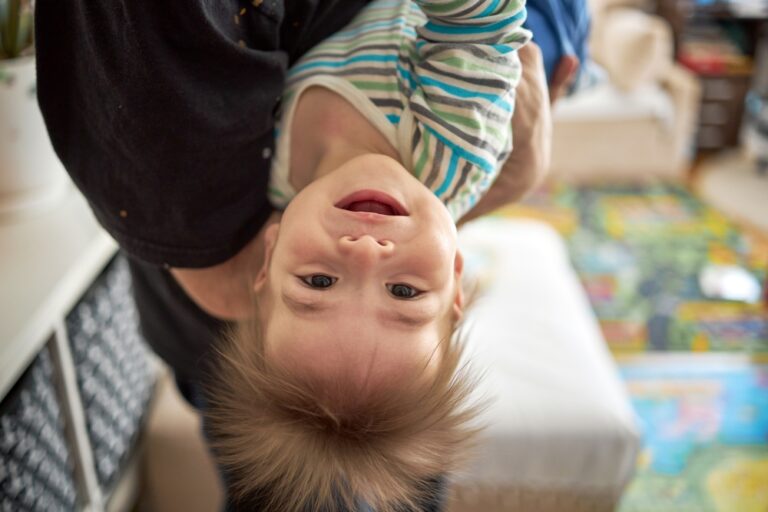
- Infants: Just a few seconds throughout mild play (by no means unsupervised!).
- Toddlers/Kids: 1-2 minutes max, with breaks.
- Adults: 3-5 minutes for mild inversions (like yoga).
Warning: What occurs when you cling the wrong way up for two hours? Extended inversion could cause blood stress spikes, dizziness, and even retinal injury. Dr. Emily Ross, pediatrician, warns:
“By no means depart a toddler inverted for quite a lot of minutes. All the time prioritize security over enjoyable.”
For most individuals, hanging the wrong way up for 1-2 minutes is secure. Nonetheless, staying in an upside-down place for too lengthy can result in dizziness, elevated blood stress, and even fainting.
What Occurs If You Dangle Upside Down for 3 Hours?
If somebody stays the wrong way up for too lengthy, like 3 hours or extra, they might expertise critical well being dangers, together with:
- Elevated stress on the mind
- Lowered oxygen stream
- Blood pooling within the head
- Potential stroke or cardiac points
When Ought to You Be Involved?
Whereas most infants take pleasure in hanging the wrong way up purely out of curiosity and enjoyable, there are cases the place it’s good to be extra observant. Listed below are some conditions the place it’s possible you’ll wish to search recommendation:
1. Repetitive and Uninterrupted Habits
In case your child insists on being hung the wrong way up continuously and turns into distressed in the event that they’re not in that place, it may point out a necessity for self-regulation or sensory stimulation that could be value exploring additional.
2. Accompanying Developmental Delays
It may sign an underlying problem in case your child enjoys hanging the wrong way up however reveals bodily, social, or verbal developmental delays.
3. Unresponsiveness to Social Cues
Infants with autism typically present decreased curiosity in social interplay. In case your baby appears tired of connecting with others or reveals a scarcity of responsiveness to social stimuli, this, mixed with repetitive behaviors, could elevate issues.
Ideas for Safely Incorporating Inverted Play into Child’s Routine
Making a secure atmosphere for inverted play is crucial. Begin by making certain the realm is freed from sharp objects or hazards that would hurt your child throughout their playful antics.
Use mushy surfaces, like carpets or mats, to cushion any falls. This may assist cut back concern and encourage exploration. A mild grip round their waist can present safety as you maintain them the wrong way up.
Introduce brief classes at first; infants can shortly develop into overstimulated. Look ahead to indicators of discomfort or fatigue, and be prepared to modify actions if wanted.
Incorporate hanging moments into day by day routines, resembling throughout diaper modifications or playtime with colourful toys overhead. This provides a component of enjoyable whereas selling growth in stability and coordination.
All the time supervise intently to make sure security stays a prime precedence as they discover being the wrong way up in new methods.
Partaking Actions for Completely different Child Phases
I’ve listed down partaking actions for infants at completely different levels. Infants at completely different ages require diverse stimulation to assist their progress. Listed below are some child actions for various levels that align with their developmental wants:
| Child Age | Partaking Actions |
|---|---|
| 3-Month-Outdated | • Light tummy time • Laying on their again • Sensory exploration with mushy toys • Occasional upside-down play whereas mendacity on a mum or dad’s lap |
| 5-Month-Outdated | • Light upside-down play (lifting child whereas supporting neck and head) • Object grabbing and head management workouts |
| 8-Month-Outdated | • Rolling round • Sitting up • Hanging head the wrong way up off furnishings (supervised) • Introduction to stability by means of upside-down play |
| 10-Month-Outdated |
• Crawling
|
Enjoyable Methods to Dangle Upside Down Safely
Wish to take pleasure in the advantages of hanging the wrong way up with out dangers? Listed below are some secure and enjoyable methods: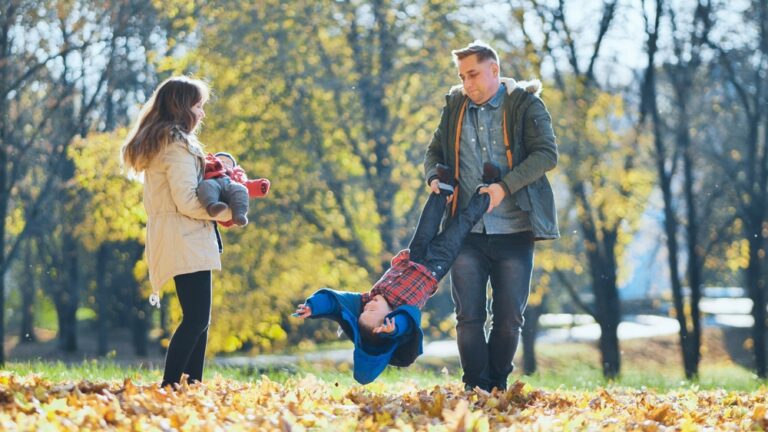
1. Utilizing a Dangle Upside Down Chair
These specifically designed chairs will let you recline and luxuriate in gentle inversion remedy.
2. Hanging Upside Down Equipment
Gadgets like inversion tables and aerial yoga hammocks present managed inversion advantages.
3. Mendacity Upside Down on a Sofa
Sitting the wrong way up on a sofa or letting your head cling off the sting is an easy option to expertise gentle inversion.
4. Upside Down Remedy
Some remedy facilities provide upside remedy of their present location to assist with spinal decompression and blood circulation.
FAQ’s
1. Why is my child doing the downward canine place?
Infants do the downward canine place to strengthen muscular tissues and discover motion, typically earlier than crawling. It’s a standard developmental stage.
2. Why does my child flip the wrong way up?
Infants flip the wrong way up to discover their vestibular sense (stability), strengthen muscular tissues, and fulfill their curiosity about completely different views.
3. Do autistic children like being the wrong way up?
Some autistic youngsters take pleasure in being the wrong way up as a type of vestibular stimming, offering sensory enter they discover calming or stimulating. It’s not true for all autistic youngsters, and plenty of neurotypical youngsters additionally take pleasure in it.
4. Is hanging good for infants?
Supervised, transient hanging may be good for infants to develop grip and higher physique energy. It should all the time be executed safely with grownup assist.
5. How are you aware your baby isn’t autistic?
You’ll be able to’t definitively “know” and not using a skilled analysis when you have issues. Typical indicators a toddler will not be autistic embody constant eye contact, responding to their identify, and typical language and social growth.
6. What’s vestibular stimming?
Vestibular stimming is repetitive motion (like spinning, rocking, or being the wrong way up) that gives sensory enter to the stability system. It’s typically used for self-regulation, particularly by these with sensory processing variations.
7. What’s a sensory seeker?
A sensory seeker is somebody whose mind craves extra intense or frequent sensory enter than typical. They actively search experiences like loud noises, robust flavors, or numerous motion.
8. Why does my child cling low?
In case your child appears floppy or has hassle holding their head up, “hanging low” may point out low muscle tone; seek the advice of your pediatrician. In any other case, in the event that they’re simply relaxed whereas exploring, it’s seemingly regular.
9. Why is my child wanting the wrong way up?
Infants look the wrong way up out of curiosity, to expertise new visible views, and for distinctive enter to their creating stability system.
10. Why does my child wish to cling the wrong way up?
Your child needs to hold the wrong way up to develop their vestibular sense, strengthen muscular tissues, and benefit from the stimulating sensation of a distinct view.
11. Why do infants flip the wrong way up?
Infants flip the wrong way up to develop their stability system, construct energy, and discover the world and their physique from new angles.
12. Why does my baby all the time cling the wrong way up?
In case your baby constantly hangs the wrong way up, they might be a sensory seeker for vestibular enter, discovering it regulating or pleasant. So long as it’s secure, it’s typically high quality.
13. Is it good for youths to hold the wrong way up?
Sure, moderately and safely, it’s good for youths to hold the wrong way up. It aids vestibular growth, builds core and higher physique energy, and improves spatial consciousness.


